
NYC School Safety in a Changing World: A New Approach to Active Shooter Emergencies
In recent years, discussions about school safety have intensified, and New York City has taken a bold step by piloting a direct 911 access system in its public schools. This initiative promises a faster response to emergencies such as active shooter situations. As an opinion writer and education policy expert, I believe this move is both innovative and necessary—even as it raises some tricky parts that we need to work through.
The new system, introduced under Mayor Eric Adams’ administration, stands as the nation’s first pilot that connects public schools directly with 911 services. By bypassing the traditional call flow and connecting schools directly with dispatch, the pilot aims to cut response time to under 10 seconds. This approach, if successful, could signal a significant shift in how schools manage emergency situations, offering essential protection to students and staff alike.
Breaking Down the Direct 911 Access Initiative in NYC Public Schools
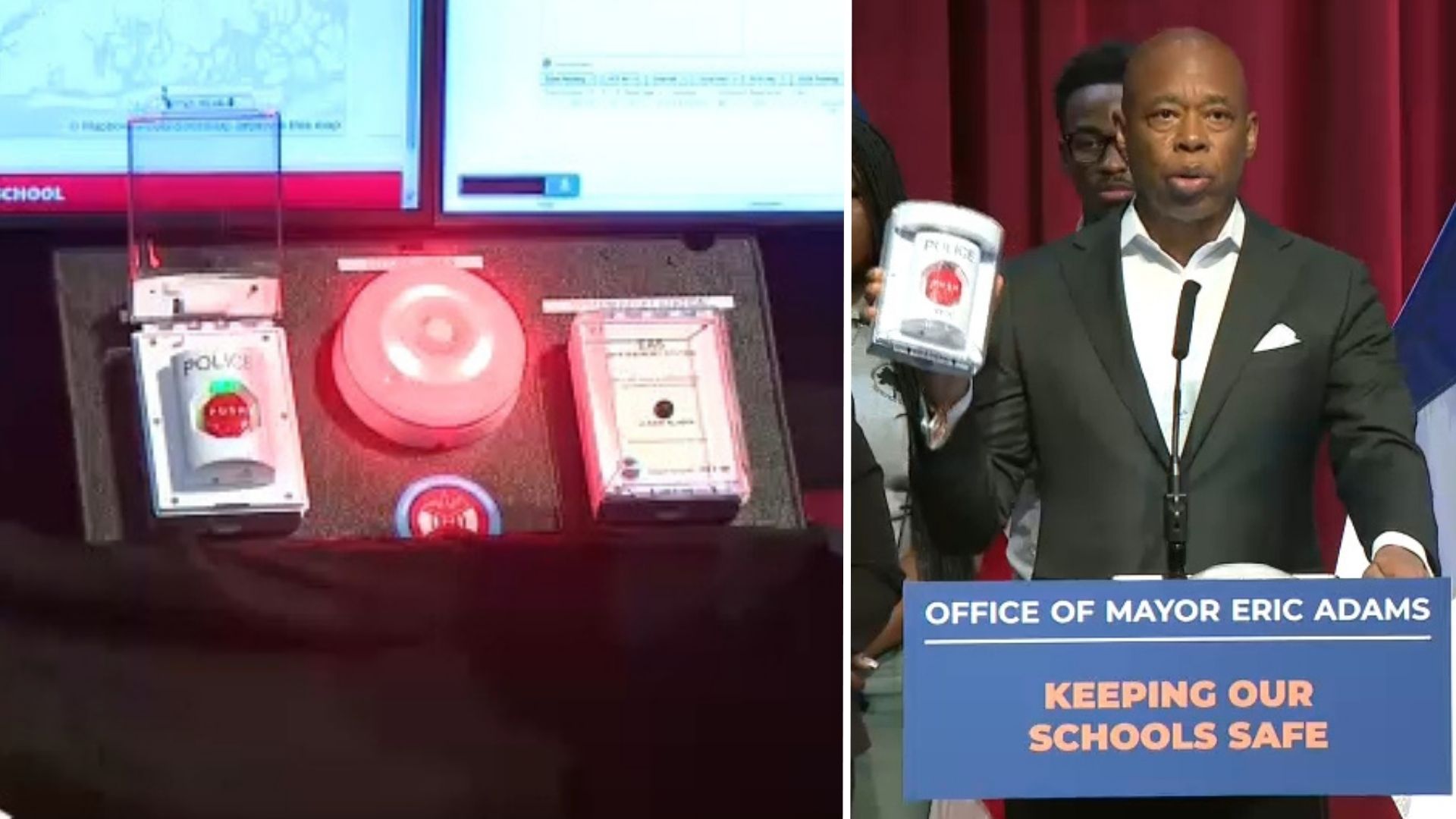
At the heart of this pilot program is a new Emergency Alert System that integrates direct communication between school buildings and emergency services. With multiple buttons strategically placed around school premises and wireless lanyards worn by staff, the system has been designed to ensure that in the event of an intrusion or active shooter, help is summoned promptly.
During a press conference held at Brooklyn’s Spring Creek campus, Mayor Adams and other officials demonstrated the device. When the button was pressed, an alarming signal immediately echoed, and a screen indicated that a school alert was in progress. This hands-on demonstration not only captured public attention but also underscored the program’s commitment to providing teachers, students, and parents with a new layer of security.
Technology’s Promise and the Speed of Response
One of the key promises of the new system is its ability to shorten the gap between an emergency event and the initiation of a 911 response. In a scenario where every second counts, reducing the response time can be the difference between a controlled situation and an overwhelming crisis. By routing alerts straight to dispatch, the measure bypasses the confusing bits typical of conventional 911 call processing.
This immediacy is critically important in the context of active shooter situations, where the environment can quickly become nerve-racking for everyone involved. With the direct line to emergency responders, the new system offers an extra layer of protection for students and staff. However, it also requires ongoing evaluation and the collaboration of various agencies including the Mayor’s office, the NYC Department of Education, and the NYPD’s School Safety Division.
Direct Emergency Response: Key Moments and Quick Reaction
The new alert system features both audible and visual alerts designed to signal when 911 has been contacted. This multi-pronged approach ensures that everyone within the building is aware of the emergency, allowing them to make a quick move to safe areas—whether by finding your way to a secure room or by evacuating the building. In addition to alerting first responders, the system sends electronic notifications to school safety officials, thereby streamlining communication across departments.
To provide a clear view of the system’s immediate benefits, consider the table below, which outlines the key advantages of direct 911 access compared to traditional emergency response procedures:
| Feature | Traditional 911 Call Flow | Direct 911 Access |
|---|---|---|
| Response Time | Variable delay due to routing | Under 10 seconds |
| System Complexity | Multiple steps involved | Simplified, direct communication |
| User Interaction | Phone call by a designated agent | Press of a button or activation of a lanyard |
| Reliability | Dependent on traditional routing | Real-time connection to dispatch |
The Broader Context of School Safety and Policy Priorities
While the development of a direct alert system represents a significant technological step, it is essential to consider it as part of a broader safety strategy in schools. NYC schools have long been engaged in balancing policy, practical safety measures, and community expectations. The current pilot is one element amid other safety protocols, such as lockdown procedures and enhanced entrance security programs.
Former initiatives like the SaferWatch app—created by a Florida-based tech firm—have shown promising potential but also encountered challenges, such as reliability issues and debates about vendor relationships. The new system, being developed in-house by the city’s Office of Technology and Innovation with the assistance of SOS Technologies, is designed to address those tangled issues by relying on a direct and simplified process.
Linking Policy and Practice: Working Through Implementation Challenges
Implementing any new technology in an environment as sensitive as public schools is never without its tricky parts. Policy experts and administrators alike need to figure a path through a variety of complicated pieces that include:
- Coordination Among Agencies: Ensuring that the communication line between schools and emergency services is maintained seamlessly.
- Training for Staff: Teachers and school administrators must learn how to effectively use the new system, and routine drills should become part of the school calendar.
- Funding and Resource Allocation: Budget constraints remain an ever-present concern, especially given the pullback in the number of School Safety Agents over recent years.
- Integration with Other Security Measures: The new system must work in concert with existing protocols like locked entrances and in-building surveillance systems.
In managing your way through these challenges, school leaders have a full schedule of tasks ahead. Nonetheless, the promise of faster emergency responses is a compelling reason to invest the effort and resources required, even if doing so involves some off-putting steps in the short term.
Weighing the Benefits and Potential Drawbacks
All measures come with benefits and some possible pitfalls. The instant alert feature of this pilot is one of its super important benefits, given that every minute lost can have dire consequences in emergencies. However, policy experts must also trade off technical reliability and practicality as the system is deployed on a wider scale.
Some skeptical observers have raised questions regarding potential vulnerabilities, such as:
- What happens in the event of technical malfunctions?
- Could these systems be misused or activated unintentionally during drills?
- How will emergency responders cope with an inflow of alerts during false alarms or training exercises?
Each of these points highlights the challenging yet necessary conversations that come with implementing any advanced technology in a public setting. The system’s developers have tried to address these issues by collaborating with a range of stakeholders, and the pilot will serve as a crucial testing ground for coping with any unexpected twists and turns during emergency operations.
Community Reactions and Stakeholder Perspectives
A significant element of any educational innovation is how it is received by the community. When the Mayor and school officials unveiled the direct 911 access system, reactions ranged from cautious optimism to thoughtful concern. Students, teachers, parents, and public safety advocates all have valuable input on how these measures will impact daily school life.
Parental and Student Concerns: Balancing Safety and School Environment
For many families, the safety of their children while at school is no small matter. Nursing these concerns has always been a balancing act for education officials. The new system is being introduced not only as a technological upgrade, but also as a means to provide extra reassurance. Alicia Arjune, a student at the Academy for Young Writers, described the prototype panic button as a tool that provides additional peace of mind, stating that it allows her and her fellow students to concentrate on learning rather than worrying about potential dangers.
Parents and teachers alike appreciate that the system is designed to work quietly in the background, only drawing attention when an actual emergency occurs. This balance is critical because any system that is overly intrusive can disrupt the natural flow of education. The goal is to integrate these safety measures so that they become a natural part of the school environment—one that reassures everyone without turning schools into nerve-racking fortresses.
Educator Insights: Enhancing the Learning Environment
School administrators and educators are in a unique position to understand both the safety concerns and the educational mission of schools. While rapid emergency response is key, it is also super important to ensure that the measures in place do not inadvertently create an atmosphere of fear. In managing your way through these challenges, many school leaders have stressed that the new tool is only one aspect of a multi-layered approach.
Additional measures currently in place include the Safer Access Program, which controls entry points to school buildings, and the presence of NYPD School Safety Agents across campuses. However, data reveals a concerning reduction in the number of these agents over the past few years—from 5,050 in 2019 to 3,613 in 2024-25. Given this context, augmenting safety through technology is viewed by many as a necessary complement to human presence in schools.
Policy Implications for Future Educational Safety Measures
From a policy standpoint, the introduction of this system in NYC public schools could serve as a pilot for other cities grappling with similar safety issues. Education policymakers must now wrestle with a range of questions: How will this technology integrate with existing safety protocols? What are the funding and resource implications? And how might similar models be adapted for schools with fewer resources?
This debate is not unique to New York City. Across the nation, school districts are examining the best way to blend technology with tradition to create safer learning environments. The current pilot could influence federal and state guidelines, offering a much-needed roadmap for managing emergencies in educational institutions on an urgent basis.
The Role of Federal and State Education Policy
Changes at the local level often inspire broader policy revisions, and this pilot is no exception. Federal and state education policymakers have a stake in ensuring that schools are equipped with the tools necessary to handle active shooter incidents and other emergencies. In recent years, various federal grants and initiatives have focused on improving school infrastructure and emergency management systems, and this NYC pilot could be a catalyst for further action in this direction.
It’s important for policymakers to appreciate the fine points of this pilot’s design—ranging from the integration of technology with existing emergency protocols to the roles of individual school safety personnel. By examining these subtle parts closely, lawmakers can gain insight into how a direct 911 access system might work on a larger scale. In doing so, they will also need to address potential funding gaps, ensuring that even districts in less affluent areas can benefit from similar advancements.
Bridging Gaps Between Policy and Practice
The pilot program highlights both key benefits and some of the tangled issues inherent in rolling out new technology. Policy decisions made now will have long-lasting effects on how schools respond to emergencies, and as such, the process of working through these decisions must be as transparent and inclusive as possible. Educators, students, parents, law enforcement, and technology experts must all contribute their perspectives to ensure that safety measures are both effective and sustainable.
Here are some steps policymakers might consider as they figure a path forward:
- Regular Training and Drills: Consistent practice ensures that staff are comfortable with the system and can use it correctly in times of need.
- Robust Feedback Mechanisms: Feedback channels that allow teachers, students, and parents to report issues or suggestions can help refine the system over time.
- Investment in Infrastructure: Upgrading not only the hardware but also the network and communication systems supporting it is essential.
- Collaborative Oversight: Establishing committees that include representatives from education, law enforcement, and technology sectors will be key to bridging gaps between policy and practice.
These steps, combined with a commitment to constant evaluation and improvements, can help ensure that the system remains reliable and effective. While the initiative is a step in the right direction, achieving lasting change will require an ongoing, collaborative effort grounded in both technological innovation and community engagement.
Examining the Impact on the Educational Journey
One of the most critical factors to consider when implementing any school safety measure is its impact on the educational experience. It remains essential that students and teachers still feel that the school is a place for learning, free of overwhelming fear—even when preventive measures are as visible as highly publicized emergency alert systems.
Critics might argue that a system heavily focused on rapid response could unintentionally cultivate an environment that feels intimidating or off-putting to students. In response, supporters emphasize that the technology is meant only to be used in real emergencies rather than to instill routine anxiety. The pilot’s design focuses on delivering quick help when needed, and many educators expect that its very existence will increase the overall sense of security, allowing students to focus on their passions and academics without lingering worry.
Striking a Balance Between Safety and Normalcy
Integrating advanced safety measures into the school environment is about finding a middle ground—a place where secure learning isn’t overshadowed by a constant sense of threat. School administrators are charged with steering through a set of challenging decisions where enhanced security protocols must not dominate daily life. In other words, while it is critical that safety systems are easy to activate and effective in a crisis, they must also be implemented in a way that minimizes disruption to routine educational activities.
This balancing act involves addressing some of the following issues:
- Visibility of Devices: The design and placement of panic buttons and emergency indicators should be discreet so that they do not dominate classroom aesthetics.
- Communication and Training: Clear and consistent communication is needed to prevent misunderstandings about the system’s purpose—ensuring that it is seen as a lifeline rather than an ever-present reminder of danger.
- Psychological Impact: Ongoing studies and surveys can help evaluate whether the presence of such systems affects student stress levels or perceptions of safety in a negative way.
For many educators, the solution lies in integrating these devices in an organic fashion, so that the technology supports the educational mission rather than detracting from it. Over time, as students and staff become more familiar with the system, what might once have been nerve-racking could simply become a reassuring backup, like a safety net rather than a symbol of danger.
Student and Teacher Perspectives: Real Voices on Campus Safety
It is heartening to hear from students like Alicia Arjune, who recently participated in a live demonstration of the panic button at Spring Creek Community School. Her remarks highlight that, when properly implemented, these measures empower students to feel more secure and supported. Equally, teachers have pointed out that regular safety drills, coupled with the clear guidelines around the new system, can help dispel fears by turning a potentially overwhelming concept into a familiar set of procedures.
In many ways, involving students and teachers in the discussion is as important as any technological upgrade. Their direct experiences provide small distinctions and firsthand insights that can help tweak the system to better meet the community’s needs. Keeping an open channel for feedback is one of the secret parts of ensuring that the initiatives remain as beneficial as possible.
Looking Ahead: Future Directions for School Safety Technologies
As school districts across the nation look to enhance security, New York City’s direct 911 access system might serve as an influential model for other education systems. The pilot program’s implementation offers a wealth of learning opportunities, and its success or shortcomings will likely drive future innovations in this area.
In the coming years, we can expect to see further integration of digital tools designed to protect our schools. Future directions might include:
- Enhanced Integration with Surveillance Systems: Combining real-time visual feeds with the direct alert system could offer emergency responders a clearer picture of the situation as it unfolds.
- Upgraded Communication Infrastructure: Investing in robust networks that support quick and uninterrupted communication between schools and emergency services.
- Expanded Training Modules: More comprehensive drills and training sessions that incorporate both digital tools and traditional safety measures, ensuring that every member of the school community is well-prepared.
- Data-Based Evaluations: Using gathered data from pilot schools to analyze response times, system reliability, and overall impact on campus safety, which can then inform future policy decisions at both local and state levels.
These future enhancements are part of an ongoing process—one where technology and policy must adapt to meet emerging challenges. The steps taken by NYC with this pilot not only offer a faster response in emergencies but also pave the way for further innovations that can be scaled and adjusted to suit the most unique circumstances found in different communities.
Collaborative Efforts: A Holistic Approach to Student Safety
No single measure can cover every angle of school safety. Instead, a combination of technological advances, comprehensive training, improved infrastructure, and sound policy decisions is required to create a well-rounded system. For effective implementation, all stakeholders must work together to fine-tune every detail—from the small distinctions in device functionality to the broader strategic planning that guides overall emergency protocols.
The collaboration required extends to:
- Local school districts and state education departments
- Technology developers and safety solution vendors
- Law enforcement and emergency management teams
- Parents, teachers, and student representatives
This joint effort represents a comprehensive approach toward securing learning environments. By taking a closer look at each element of the system—in terms of its function, reliability, and ease of use—stakeholders can work through the challenging pieces and ensure that the safety measure lives up to its promise. Every improvement builds on lessons learned from previous experiences, such as the usage concerns raised during prior app-based safety measures.
Lessons from Past Incidents and the Imperative for Change
The rationale behind rapid-response systems in schools is partly informed by tragic incidents from the past. Over 3,000 K-12 school shooting events have been reported in the United States between 1966 and September 2025. The numbers, as recorded in various databases, remind us of the overwhelming need for robust safety protocols in education settings.
Instances where even a few seconds have made the difference between safe resolution and crisis have spurred the education community and policymakers to rethink the approaches that have been largely reactive until now. The current pilot represents a proactive attempt to address these issues before they escalate into more significant problems. It serves as a reminder that while improving school safety is a continuous and challenging mission, every step forward is a move toward protecting our young people from harm.
Understanding the Nitty-Gritty of School Safety Data
A review of the historical data on school shootings reveals several vital insights that support the need for faster emergency responses. When we take a closer look at the records—from the number of shooting incidents to the variations in victim counts over specific years—a clear pattern emerges that underscores the urgency for technological intervention.
For instance, after school shooting events peaked in recent years, the response times and preparedness of school security systems were brought into sharp focus. The direct 911 access system aims to remedy one critical issue: the delay inherent in traditional alert setups that can contribute to the escalation of danger. By streamlining the process, schools can potentially minimize casualties during critical moments.
Historical Challenges and the Road Ahead
While the pilot program reflects hope and forward-thinking, it is also a response to a long history of challenges. The reduction in the number of School Safety Agents over the past few years illustrates one of several fine points in the larger policy debate. Fewer safety personnel mean that technological solutions have become even more crucial to compensate for human resource gaps.
Yet, history also teaches us that implementing new measures comes with its own set of tricky parts. Technical malfunctions, staff training challenges, and budget constraints all represent potential pitfalls. These pitfalls, filled with issues and on edge moments during the early days of deployment, must be anticipated and addressed through continual refinement. The willingness to take a closer look at every small twist and refine the system over time is what will ultimately determine its long-term success.
Conclusion: A Promising Step Toward Enhanced Safety in Schools
The introduction of direct 911 access in NYC public schools is undeniably an innovative step in the ongoing effort to keep students and staff safe during emergency situations. While there are undoubtedly some complicated pieces and tangled issues that remain to be solved, the pilot program offers a critical lifeline in moments when every second matters.
By embracing technology that provides a fast, direct line to emergency services, New York City is setting a new benchmark for school safety protocols nationwide. This initiative—despite the nerve-racking challenges associated with its early implementation—promises to be a game-changer not only for NYC but also for other urban and rural districts facing similar safety dilemmas.
As stakeholders continue to work through the fine points of this new system by fostering collaboration among educators, law enforcement, policymakers, and the community at large, the hope is that this model can be refined and replicated. With continued investment in infrastructure, training, and transparent policy evaluation, we can look forward to a future where school environments are as secure as they are vibrant and conducive to learning.
In the end, the debate is about more than technology—it is about the commitment to creating safe havens for our children, ensuring that schools remain places of growth, exploration, and inspiration. While the path forward may be loaded with issues and on edge moments, each careful, collaborative step brings us closer to a future in which every student can learn without fear.
Key Takeaways for Stakeholders in Education Safety
Here is a quick summary of the essential points from this discussion:
-
Direct Response Efficiency:
The new system promises a rapid, sub-10-second response time by linking schools directly to 911 dispatch centers. -
Integration with Existing Measures:
This pilot complements existing protocols such as locked entrances and on-site security personnel. -
Collaborative Implementation:
Success depends on the combined efforts of educators, law enforcement agencies, policymakers, and technology experts. -
Ongoing Evaluation and Improvements:
Continuous training, feedback collection, and technical improvements will help refine the system over time. -
Balancing Safety and the Learning Environment:
It is critical that these measures secure schools without overwhelming students or disrupting the educational mission.
Moving forward, the NYC pilot initiative represents a promising model. By taking a closer look at each of its components and openly addressing every challenge, this program not only enhances school safety but also paves the way for future innovations in education security.
A Call for Continued Innovation and Community Involvement
In conclusion, protecting our students is a responsibility that extends beyond technological fixes; it requires a continuous, community-driven dialogue to figure a path through the fine details of policy, practice, and practical safety measures. New York City’s pioneering direct 911 access system is a super important step in this journey. As we watch how this pilot evolves, let us remember that every careful tweak and collaborative strategy brings us closer to safer schools nationwide.
Ultimately, all stakeholders—from government officials to family members, from school personnel to emergency responders—must remain committed to improving every layer of our safety systems. Through ongoing dialogue, regular training sessions, and the persistent drive for innovation, we can ensure that the chaotic bits of the past give way to a future where safety and education go hand in hand.
It is our responsibility, as members of the educational community, to take these courageous steps forward. Let us work together, learn from every small twist and hidden complexity, and build a future where our children feel secure and empowered to pursue their learning without fear.
Originally Post From https://www.chalkbeat.org/newyork/2025/10/27/mayor-eric-adams-pilots-technology-during-school-shootings-emergencies/
Read more about this topic at
NYC pilots ‘panic button’ and direct 911 access for 51 schools
Mayor Adams Announces First in Nation Technology to …
