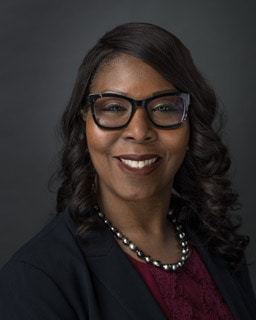
New Leadership and the Future of Charles City County Public Schools
The appointment of Dr. Katina Otey as the new superintendent in Charles City County Public Schools marks a turning point for the district. In a community known for its close ties and high expectations for student excellence, Dr. Otey’s arrival comes as a breath of fresh air. With over 31 years of experience in public education, her selection is not just a personnel change; it represents a strategic shift toward increased community involvement, focused academic leadership, and a thoughtful revisit of policy underpinnings. Her recent role as the Chief Academic Officer for Charlottesville City Public Schools highlighted her capacity to manage tricky parts and tangled issues in education leadership. This transition, while part of an expected succession after Dalphine Joppy’s five-year run, presents an opportunity to dig into the subtle details of what makes a supportive and effective learning environment in today’s school system.
Change in educational leadership, particularly during times of policy evolution, brings both challenges and opportunities. In Virginia’s educational landscape, where local and state policies continue to influence academic outcomes, Dr. Otey’s appointment stands as a super important move. The careful balance between academic administration and on-the-ground community engagement is essential for fostering an environment in which both students and educators can thrive. Her stated intention to spend the first three months listening, learning, and leading reflects a strategy designed to address the nerve-racking aspects of new beginnings by inviting the voices of parents, students, families, and staff alike. Her proactive plan to take a closer look at data, history, and community input suggests that she intends to figure a path that honors the rich legacy of Charles City County while meeting modern educational challenges head on.
Experienced Educational Leader in Virginia: A Proven Track Record for Success
Dr. Otey’s impressive resume speaks volumes about her readiness for this role. Having worked in multiple educational settings – from a classroom teacher in Roanoke City Public Schools to administrative roles in Henrico and Chesterfield County Public Schools – she has navigated the twists and turns inherent in the educational system. Her academic credentials, which include a Doctor of Education in Educational Leadership and Policy Studies from Virginia Tech and a Master of Education from Virginia Commonwealth University, demonstrate a foundation built on sound academic research and practical administrative experience. These credentials have been honed in environments that are full of problems and loaded with issues, perhaps more than any single one of her previous roles. Yet, her cumulative experience in these positions offers a roadmap for deciphering both the confusing bits and subtle parts of educational leadership.
In her previous role as Chief Academic Officer, Dr. Otey was responsible for managing programs and policies that directly impacted student achievement and staff development. By working closely with various school district departments, she not only steered through policy updates but also forged stronger ties between the schools and the communities they serve. A review of her past roles reveals a steady climb through responsibilities that encompassed classroom instruction, school-level administration, and district-wide leadership. Each step along this journey provided her with critical, must-have insights into the practical application of education policy at multiple levels. Her new role in Charles City County offers her the chance to apply this broad spectrum of experience to a district already known for its dedication to student excellence and community involvement.
Community Engagement in Public School Administration
One of the most important elements of Dr. Otey’s vision is community involvement. The close-knit nature of Charles City County is a hallmark of the district, where schools are viewed as community centers rather than isolated academic entities. By expressing her desire to engage with every stakeholder—from parents and families to the teaching staff—Dr. Otey underscores a model of administration that is both inclusive and transparent. This kind of leadership is essential in small communities where educational decisions must account for unique local histories and individual community needs.
Community engagement in educational policy is not just a buzzword but a critical component of successful school management. Dr. Otey’s plan to tour the division, listen to voices across the board, and work collaboratively with all parties is a refreshing affirmation of a leadership style that values dialogue over dictation. This approach also emphasizes the importance of addressing tricky parts and tangled issues directly by implementing strategies co-developed with community input. In today’s ever-changing educational landscape, where policies can often seem intimidating or off-putting, her participatory model could very well serve as a blueprint for other districts in Virginia and beyond.
- Listening sessions to gather feedback from parents, staff, and students
- Collaborative evaluation of current policies and practices
- Development of data-driven strategies grounded in community history
- A focus on practical solutions for the day-to-day challenges faced by teachers and administrators
Embracing the First 90 Days: A Thoughtful Transition Period
Dr. Otey has outlined a specific 90-day plan that is intended to serve as the foundation for her transition into the new role. The initial three-month period is often viewed as both exciting and overwhelming, a time when expectations and challenges can be both high and nerve-racking. In her approach, Dr. Otey intends to dig into the fine points of the district’s history and the subtle details of its current state. By prioritizing listening and learning, she is effectively preparing to steer through the tricky parts of change management without rushing decisions.
In laying out her short-term strategy, she has openly emphasized that this period will be dedicated to getting into the genuine needs and concerns of the school community. Here are some key components of her 90-day plan:
| Key Focus Area | Planned Action |
|---|---|
| Community Listening Tour | Visiting schools, meeting with parents, teachers, and administrators to understand local needs |
| Review of Academic and Policy Data | Taking a closer look at existing academic performance data and historical policy impacts |
| Collaborative Strategy Sessions | Organizing meetings with staff to discuss practical solutions for day-to-day challenges |
| Communication and Feedback Channels | Establishing regular interaction points for community feedback and updates on progress |
This approach not only signals that Dr. Otey is prepared for the nerve-racking early days of a leadership transition, but also that she respects and values every opinion. It is this careful management of the subtle parts and little details that will likely prove instrumental in ensuring a smooth transition and sustained long-term success.
Educational Leadership: Balancing Experience with Innovative Approaches
In many ways, the movement from a seasoned leader like Dalphine Joppy to Dr. Otey is emblematic of broader trends in educational leadership that place a premium on both tradition and innovation. One of the challenges that educational leaders face today is finding the right balance between relying on proven methods and adapting to new, sometimes unexpected, developments. Dr. Otey’s career, spanning from classroom teaching to high-level policy work, has equipped her with the experience needed to manage the confusing bits and complicated pieces of these challenges.
Her leadership style is characterized by a willingness to embrace both the established practices that have long benefited Virginia’s schools and the innovative tactics required to meet future demands. This is particularly significant in a time when educational outcomes are increasingly tied to how effectively leaders can manage changes, be they in state policy, community demographics, or technological integration. Her extensive background in various roles will enable her to sort through the tricky parts of modern educational administration, ensuring that decision-making processes remain clear, collaborative, and responsive to emerging issues.
- Experienced oversight in multiple county systems
- Proven track record in academic policy review
- A blend of traditional methods and forward-thinking innovation
- Emphasis on clear lines of communication and shared goals
This multi-faceted experience is super important in crafting a vision for the future of the school division that is both rooted in the realities of the past and open to new avenues for progress. The ability to dive in and take a closer look at every aspect of the old and new policies alike will likely result in improvements that benefit students, teachers, and the broader community.
Addressing the Nerve-Racking Twists and Turns of Policy Implementation
The process of policy implementation in education is never straightforward. It involves numerous moving parts and often requires finding your way through a maze of regulations and expectations. In the case of Charles City County Public Schools, the new leadership is now tasked with aligning established policies with evolving educational demands. Dr. Otey appears well-prepared for this challenge, having repeatedly demonstrated her capability to work through the tricky parts and confusing bits that can sometimes bog down policy revisions.
Policy changes and academic strategy shifts are, by nature, full of problems and loaded with issues. However, when a leader with a deep understanding of the fine points and hidden complexities of the educational system takes charge, these challenges become opportunities rather than obstacles. Dr. Otey has already signaled that her approach will be grounded in data and historical context while simultaneously being open to fresh insights from the very people affected by these policies. This dual focus is expected to foster an environment where policy implementation is not about top-down mandates but rather about cooperative problem-solving.
Key aspects of tackling this policy conundrum include:
- Analyzing the fine points of past policies and their impacts
- Identifying subtle issues that may have been overlooked in previous implementations
- Collaborating with educators and community members to co-create workable solutions
- Maintaining flexibility to adjust strategies in response to feedback
The inherent challenges of changing longstanding systems can be intimidating, yet the focus on practical, hands-on leadership and community-based decision-making offers hope. It is a reminder that, even in an environment that can feel off-putting due to its many twists and turns, a thoughtful and inclusive approach can make all the difference.
Policy and Practice: Crafting a Path Forward in Education
As the new superintendent, Dr. Otey will need to balance her vision for academic excellence with the practical constraints of local education policy. The fine balance between large-scale educational goals and the everyday, complicated pieces of school management is critical. Her strategy of taking the time to listen, learn, and ultimately lead is emblematic of a thoughtful policy-making process that values practical experience just as much as innovative ideas. In a system sometimes riddled with tension and loaded with issues, the role of a leader who values collaboration cannot be overstated.
There are several policy areas that will likely come under review in the upcoming months. These include curriculum development, teacher evaluations, and technological integration in classrooms. Each area involves its own set of confusing bits and subtle challenges. For instance, when it comes to curriculum development, balancing traditional learning outcomes with new, multimedia approaches requires a nuanced approach. Similarly, teacher evaluations that are both fair and thorough must consider a range of factors, from classroom engagement to the evolving expectations of standardized testing. Dr. Otey’s familiarity with these issues — gleaned from years of working within multiple school systems — positions her as someone capable of turning these challenges into stepping stones for further academic success.
Her leadership promises not just incremental changes but the potential for a paradigm shift in how educational success is defined and achieved. By actively seeking diverse viewpoints and ensuring every stakeholder feels heard, the new policies will likely become more adaptable and responsive. This commitment to collaborative policy-making is a crucial strategy for maintaining community trust and ensuring that the district remains competitive and relevant in today’s fast-paced educational environment.
Building a Collaborative Vision for the Future
The future of Charles City County Public Schools is deeply intertwined with the vision that its leaders set forth today. Dr. Otey has emphasized her commitment to listening to the community and working side by side with educators, parents, and students. This approach is critical in democratic leadership where each voice can contribute to the overall success of the educational ecosystem. As educators across the nation see similar challenges in their districts—ranging from integrating new technologies to addressing economic disparities—the lessons learned in communities like Charles City County could offer valuable insights and best practices.
Collaboration in educational settings can involve several layers. At the district level, this means establishing robust channels of communication between school administration and local governments. On a more granular level, creating committee structures or focus groups where teachers and community members can share their experiences can lead to practical improvements in classroom management, lesson delivery, and student engagement. The success of such initiatives often relies on a leader’s ability to get into the nitty-gritty of community needs and balance bureaucratic constraints with practical solutions.
- Establishing regular town hall meetings for transparent updates
- Implementing a structured feedback system allowing real-time input from all stakeholders
- Creating specialized working groups focused on distinct areas such as technology or curriculum revisions
- Engaging with local government and public officials to align educational goals with broader community development
In implementing these ideas, Dr. Otey will be demonstrating that effective leadership in today’s academic world is not about top-down control but about harmonizing multiple voices into a single, forward-looking vision. By taking every opportunity to work through problems collaboratively, she can help transform seemingly overwhelming challenges into manageable projects that enhance the educational experience for everyone involved.
Reflections on Leadership in Times of Change
Educational leadership is often seen as a daunting task, especially when change seems to be the only constant. In many school districts, the obstacles of modifying long-established practices can be intimidating. Nevertheless, the transition from one innovative leader to another frequently brings with it not only new opportunities but also a reaffirmation of community values. In the case of Charles City County Public Schools, Dr. Otey’s appointment has been met with optimism, largely because it signifies a return to leadership that appreciates both the tried-and-true aspects of the system and the need for modern, adaptable policies.
Reflecting on the impact of her appointment, one cannot ignore the importance of experienced, community-focused leadership in times of uncertainty. Leaders in education today must be prepared to sort out the conflicting demands of academic excellence and the subtle details of day-to-day school operations. Dr. Otey’s own words about her fondness for the close-knit community and her desire to stay involved with every aspect of school life serve as a reminder that effective leadership is about embracing every challenge—even the nerve-racking ones—with an open mind and a collaborative spirit.
Her commitment to a hands-on approach, especially in a period that many might find overwhelming, sets a high benchmark for what future superintendents can aspire to. The lessons learned during this period of transition will undoubtedly influence broader conversations about what it means to lead successfully in environments that are both historically rich and ambitiously forward-looking.
A Look Ahead: Future Challenges and Opportunities
Looking to the future, the journey for Charles City County Public Schools is layered with both potential challenges and significant opportunities. As the world of education continues to evolve, driven by rapid technological change and shifting community demographics, the role of the superintendent becomes even more key. Dr. Otey’s track record suggests that she is well-prepared to figure a path through the tricky parts of emerging educational trends. Her ability to combine scholarly insight with practical classroom experience will be critical in addressing both longstanding issues and new problems as they arise.
Among the most pressing future challenges is the integration of digital learning tools into traditional classroom settings. As educational institutions worldwide have increasingly leaned on technology—especially in the wake of unexpected disruptions—there is a need to ensure that all students, regardless of background, have equal access to high-quality digital resources. This will require thoughtful policy adjustments and innovative training programs that help educators leverage new technologies while maintaining the personal integrity of their teaching methods.
Another significant opportunity lies in the realm of community partnership initiatives. With local stakeholders showing a keen interest in the success of their schools, effective collaboration could pave the way for enhanced extracurricular programs, updated facilities, and new learning initiatives. By building strong partnerships with local government bodies, businesses, and civic organizations, the new leadership has the potential to foster an ecosystem where every child’s educational journey is enriched by community support. Such collaborations could include:
- Joint programs between schools and local libraries or community centers
- After-school initiatives that leverage local expertise and volunteer efforts
- Partnerships with local businesses for mentorship and internship opportunities
- Community-based research projects that involve students in real-world problem-solving
As these initiatives take shape, the district will not only enhance its academic reputation but also serve as a model for integrating community resources into the educational framework effectively. The key will be maintaining a balance between modern innovations and the time-tested educational practices that have served the community so well.
Conclusion: A Collaborative Vision for Tomorrow’s Schools
The leadership change in Charles City County Public Schools invites us to reflect on the broader implications for educational policy and school administration. Dr. Katina Otey’s extensive experience, combined with her commitment to listening and working collaboratively, signals a promising future for the district. Her tailored approach—one that emphasizes understanding the little details and tricky parts behind policies—offers a blueprint for making well-informed decisions that respect both the community’s heritage and its future aspirations.
In an era when educational policies can often feel intimidating or off-putting due to their many twists and turns, the emergence of a leader who values community engagement above all else is both refreshing and encouraging. The steps she plans to take in her initial 90 days, built on a foundation of listening and learning, are designed to ensure that every voice is heard and that policy decisions are made with a complete understanding of local contexts. This collaborative model of leadership is super important if the goal is to nurture environments where both educators and students thrive.
Moreover, the administrative strategies outlined in this transition process underscore a broader movement within education: one that favors inclusive, data-driven, and community-oriented policies over rigid, top-down mandates. As stakeholders in the educational system—from teachers and policymakers to parents and community leaders—continue to navigate the challenging bits and tricky parts of modern academic life, the emphasis on collaboration and mutual respect will be key to forming a more resilient and responsive school environment.
Ultimately, the future of Charles City County Public Schools hinges on combining the prized legacies of the past with proactive innovations for tomorrow. Dr. Otey’s leadership, characterized by her thoughtful approach to every subtle detail and every complicated piece of the educational puzzle, offers a hopeful blueprint. Under her guidance, the division can be expected to work through the tangled issues with clarity and determination, ensuring that the community’s commitment to academic excellence remains steadfast.
As we look ahead, it remains clear that effective educational leadership is built not only on extensive experience but also on an unwavering commitment to understanding the unique needs of every community member. In this evolving landscape, the decision to entrust the future of Charles City County Public Schools to a leader who is deeply familiar with both the challenges and the opportunities of modern education is an investment in a brighter, more inclusive future for all students.
Originally Post From https://nkccnews.com/local-news/2025/06/25/otey-hired-as-new-superintendent-for-charles-city-county-public-schools/
Read more about this topic at
Listen Learn Lead, LLC
Listen, Learn, Then Lead